Assessment and Technology
Introduction
Technology has always been used in conjunction with education; whether it be a computer, calculator, or pen and paper. Digital technology has been rapidly advancing, and it can be difficult to keep up. The influence of technological advancements on learning is complicated and not entirely unknown at this point. I would argue that the act of learning remains largely the same, but the vehicle for learning has shifted. Two large concerns I have regarding the use of digital technology in higher education, and specifically with assessment, is cheating and surveillance. These two things go hand-in-hand with one another because surveillance is a response to the fear of learners’ cheating (Swauger, 2020). Perhaps the most recent rapidly advancing technology is generative artificial intelligence (AI). Generative AI technology may be useful because it can generate information, citations, answers to questions, images, and even video in mere seconds. However, the growing widespread use of generative AI has exacerbated the concerns about cheating and surveillance.
Cheating and Surveillance
During the COVID-19 pandemic, higher education saw an uptick of cheating on online assessments (TODAY, 2021). Many argue that it is a lapse in moral character or that bad students will cheat given the opportunity. However, Kohn (2011) argues cheating is not the students’ fault, but rather proof that the education system is failing students by enforcing standardization practices, such as grades. The grading system rewards students for taking a shortcut to the right answer. This means learners are encouraged to prioritize grades over learning, which can result in cheating (Kohn, 2011). Cheating is a symptom of an infected system; the problem is not with the students, but the system.
Artificial Intelligence and Assessment
Instead of critically considering the root cause of cheating, particularly in online assessments, higher education has enlisted the help of education technology companies and their algorithmic test proctoring (Swauger, 2020). Some proctor technology has a human proctor watching the student take an online assessment via webcam. Others rely on machine learning models or AI to determine if a student is acting “suspicious.” If either human or digital proctor flag a student’s behavior, it can be sent to the assessment facilitator for final judgement (Swauger, 2020).
In this situation, bias and objectivity are crucial values. Are humans inherently more biased than AI? Will AI provide a more objective perspective when determining if a student is cheating because AI is not influenced by emotions and beliefs? Despite being non-sentient, AI is just as influenced, if not more, by human biases (The London Interdisciplinary School, 2023). Generative AI is trained on datasets based on humans’ perceptions of the world; it has learned to replicate human experiences like bias, racism, and prejudice. Generative AI technology is a reflection, and oftentimes an exaggeration of, our society (The London Interdisciplinary School, 2023), not the bias-free solution many wish it were.
Because of AI’s non-neutrality, higher education’s widespread use of machine learning-based algorithmic test proctoring is deeply problematic. The technology is more likely to flag a non-white, disabled, or neurodivergent student as “suspicious, than it is the student’s white, ablebodied, and neurotypical counterpart (Swauger, 2020). Students with disabilities that affect their ability to sit still, students who need to use the bathroom often, and students who have children and cannot afford childcare, are all negatively affected by the algorithmic test proctoring system, and are often flagged as cheating (Swauger, 2020). The facial recognition technology was made by white people, for white people. This leads to Black and other non-white students being discriminated against because they are “too dark” to verify the student’s identity (Swauger, 2020). Many of the AI proctor technologies require students to show their ID to authenticate their identity, which is not only an invasion of privacy, but can be a threat to their life (Swauger, 2020). Within the current political administration, marginalized communities such as immigrants and transgender people, are at higher risk of state-sanctioned violence. Facial recognition technology, such as the technology behind the AI proctors, is being used to report immigrants to ICE, identify and dox transgender people, and ultimately put the entire population under mass surveillance, all to prevent people from cheating on assessments.
Technology and Assessment: Is There Hope?
While I have many reasons to be wary of using digital technology in assessment design, I do believe that it can be used responsibly to design creative and impactful assessments. Recently, I designed a two-part graphic design assessment that asked learners to collaborate with their peers and design a typography book and podcast. The goal was for the learners to identify the anatomy of typography and thoughtfully create text-based designs.
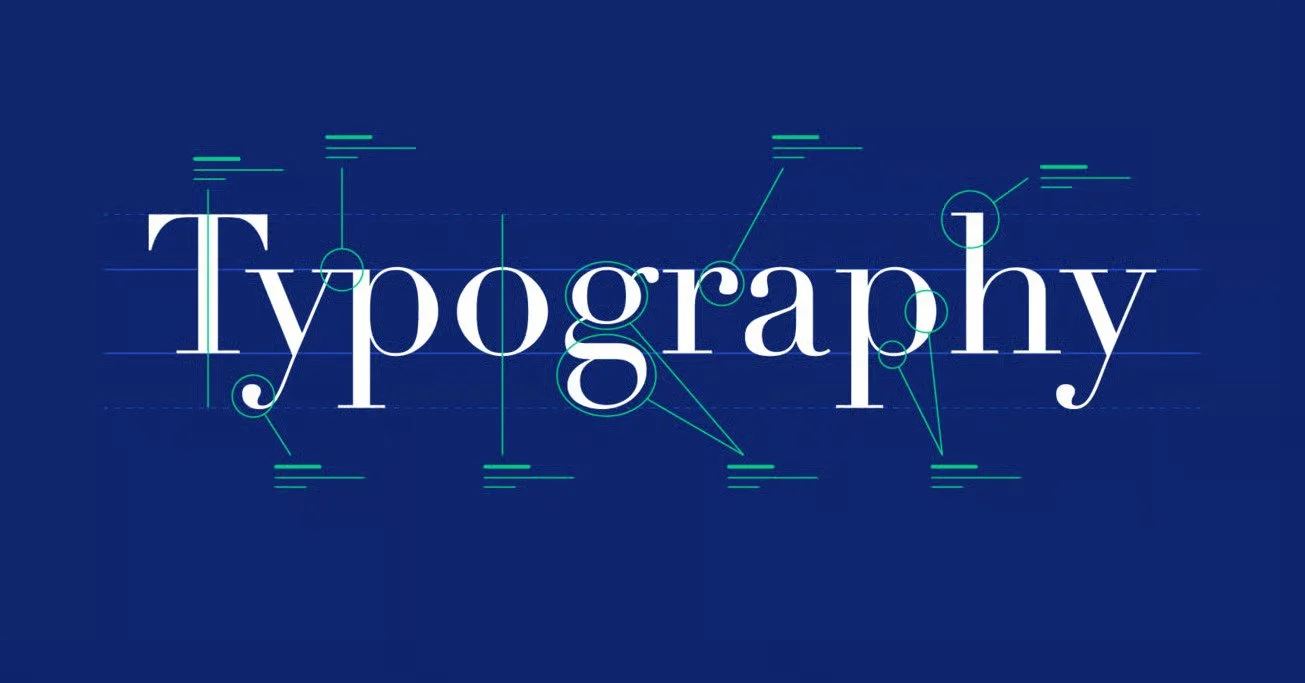
This assessment is intended to take place over the course of a few weeks during a unit on typography. During the first part of the assessment, I require the students work in groups of four and design a minimum of two spreads each, identify font classifications and the anatomy of typography, and create a cohesive book layout that compliments the work of their peers. In the second part, I ask the students to create a podcast that discusses their final product, the anatomy of typography, the design thinking behind the compositions and layouts, and the collaboration process. For this assessment, I will collect data in a variety of ways including: observing how they work together in groups; check-in goals and critiques; final copies of the books; and final podcast file. I will analyze the data by comparing the final product against my Book and Podcast on Typography rubric. With this information, I will provide both group and individual feedback. My goal is that the learners will implement this feedback in future projects.
Conclusion
The implementation of technology in education is on the rise, especially in the context of assessment design. It can be a useful tool that assists in the learning process, but it can also be dangerous within the social, economic, and political context it exists within. The rise of technological surveillance in an attempt to combat cheating actively puts learners in danger. A good assessment designer knows how to walk this tightrope to ensure students’ learning, and their safety.
References
Chapman, C. (2026, April 6). Understanding the nuances of typeface classification. [Image]. Toptal Designers.
Kohn, A. (2011). The case against grades. Alfie Kohn.
The London Interdisciplinary School. (2023, August 11). How AI Image Generators Make Bias Worse. [Video]. YouTube.
Swauger, S. (2020, April 2). Our bodies encoded: Algorithmic test proctoring in higher education. Hybrid Pedagogy.
TODAY. (2021, March 23). Cheating Is Easier Than Ever For Online College Students | TODAY. [Video]. YouTube.